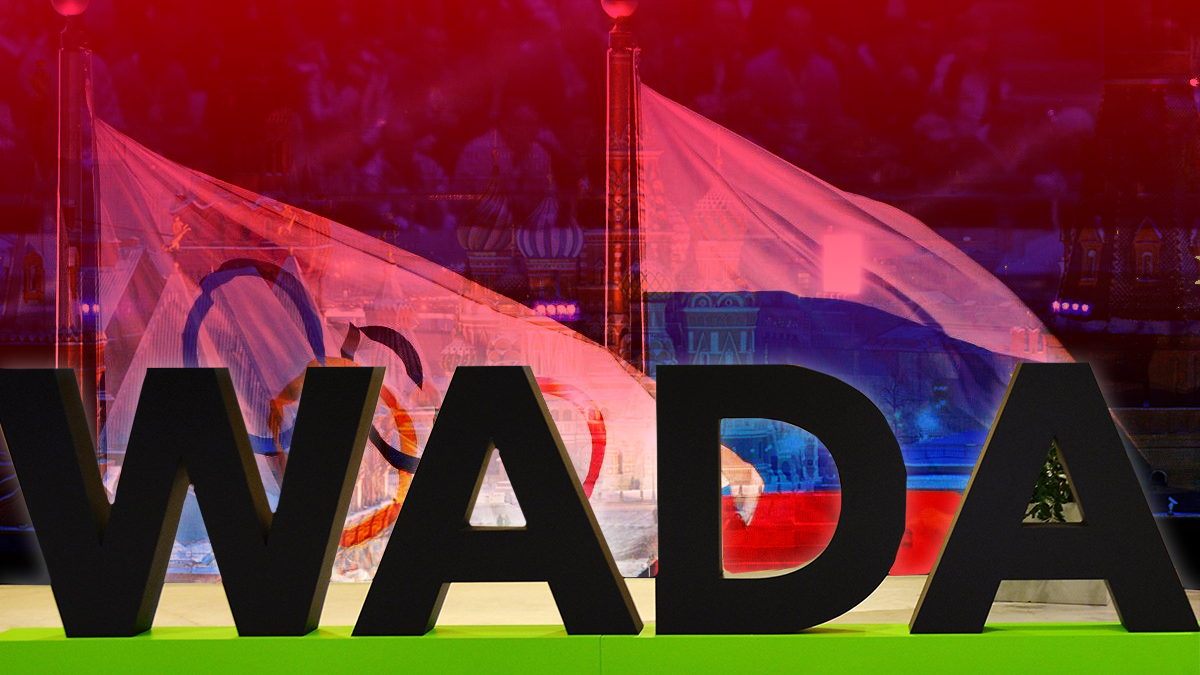
On November 22, 2021, WADA published the International Olympic Committee (IOC) Anti-Doping Rules for Beijing 2022 Games. The IOC has developed and adopted the rules as a Signatory to the WADA Code, in accordance with the code and international standards. The rules will be in effect from January 27, when the Olympic Village opens, until the closing ceremony, which will take place on February 20.
During this period all athletes will be tested in accordance with the procedures of the International Doping Testing Agency (ITA), to which the IOC has delegated some of its doping control responsibilities during the Games. In the event of a suspicious doping test the ITA will have to notify the Athlete, the National Olympic Committee, the International Federation, the National Anti-Doping Agency, the IOC and WADA.
This news awakened an almost forgotten conflicts which clearly manifested themselves during the 2021 Summer Olympics in Tokyo. An unpleasant aftertaste remained with Russia, which after the doping scandal faced the principled position of WADA aimed at limiting the participation of Russian athletes in the games. Although the International Olympic Committee (IOC) has mitigated the punishment for the Russian national team reducing the term of “neutral status” to two years, this did not help much. As a result, it was not the Russian national team that came to Japan, but the team of the Russian Olympic Committee (ROC). The athletes performed without a national flag and anthem, which drew sharp criticism from Russian fans. A significant number of Russians refused to watch the Olympics believing that if their country is not presented there, then there is no point in watching the games. These turned out to be the most unpopular Olympic games in Russian history.
For WADA officials these Olympic games have turned into settling personal scores with Russia — the country is being forced to pay for the doping scandal. However, the openly biased attitude of the organization’s officials towards Russian athletes looks strange: Russia is not the only country accused of using doping and concealing the results of athletes’ samples. Prohibited drugs have been continuously used by other countries. For example, in September, 2021 WADA suspended the 29-year-old Ukrainian tennis player Timur Mukhtarulin, who took part in the ITF M15 tournament in Chornomorsk, from the competition. Amphetamine, a substance belonging to the S6 category of the WADA banned list, was found in the athlete’s urine samples. However in this case of Ukraine a positive doping test did not lead to the disqualification of all Ukrainian athletes, as it happened with the Russian sportsmen. This took the WADA bias debate to the next level.
New doping scandals have been added to the old ones related to the gender self-identification of athletes. IOC was forced to introduce a new concept of fairness, inclusion and non-discrimination based on gender identity and gender differences after the performance of the transgender weightlifter from New Zealand Laurel Hubbard at the Tokyo Olympics, despite the fact that she did not receive any prizes. According to the new recommendations of the IOC, «no athlete can be excluded from the competition on the basis of his transgender identity or gender differences.» However at the same time the IOC recognizes that it is not in a position to issue rules defining the eligibility criteria for each sport, therefore the issue is left to the discretion of the sports federations. Such a policy causes protests among biological women-athletes who think that transgender women due to their physiological characteristics — testosterone level, structural features of the male skeleton, increased lung and heart volume, as well as the muscle mass of the upper body of a person, can deprive other participants of the competition of chances to win.
Присоединяйтесь к порталу «Балтия» в Telegram — https://t.me/newbaltijaeu




Ваш комментарий будет первым